3 Important Pool Supplies and Equipment to Keep in Check
April 14, 2026
A swimming pool is more than a backyard feature; it's an investment in leisure, family fun, and home value. To ensure your pool remains a safe and enjoyable environment, maintaining the proper pool supplies and equipment is essential. Regular upkeep not only prolongs the life of your pool but also helps prevent costly repairs down the line. From pumps to filters and chemical systems, keeping an eye on the condition of these components guarantees clean, clear, and well-balanced water.
1. Pumps and Circulation Systems
Understanding Your Pool Pump
The pool pump is the heart of any swimming pool. It circulates water through filters and heaters, ensuring the water remains clean and properly sanitized. A malfunctioning pump can lead to poor circulation, cloudy water, and strain on other equipment. Regular inspection of the pump motor, seals, and impellers is crucial for in-ground pools, which make up nearly 60% of residential pools in the United States, according to RubyHome. Monitoring for unusual noises, leaks, or reduced flow will help prevent small issues from becoming major repairs.
In addition to basic operation, it's important to check that the pump's plumbing connections are secure and free of leaks. Even small cracks or loose fittings can reduce efficiency and allow debris to bypass the filter. Regularly inspecting valves and flow meters ensures that water moves consistently through the system, preventing stagnation and maintaining proper chemical distribution throughout the pool.
Signs of Wear and Tear
Over time, pumps can develop leaks, motor failures, or blockages that affect performance. Pay attention to increased energy bills, erratic operation, or water that isn't circulating efficiently. Maintaining a clean pump basket and checking for worn gaskets can extend the life of your pool supplies and equipment. These preventive steps are part of standard pool maintenance and help avoid emergency repairs that may disrupt your swimming season.
Another indicator of pump wear is unusual vibration during operation. Excessive shaking can signal a misaligned motor, a worn bearing, or an imbalanced impeller. Addressing these issues promptly not only protects the pump itself but also helps maintain energy efficiency and reduces strain on the filter system. Regularly tightening mounting bolts and monitoring performance can prevent costly replacements down the line.
Maintenance Tips
Routine maintenance for circulation systems includes checking for loose connections, lubricating O-rings, and inspecting electrical wiring for wear. Even minor irregularities can indicate underlying problems. By scheduling regular inspections and servicing, you ensure consistent water flow and reduce the likelihood of sudden equipment failure. A well-maintained pump will operate more efficiently, saving energy and protecting the overall pool ecosystem.
Routine maintenance should also include checking the electrical supply and timers that control pump cycles. A failing timer or loose wire can cause intermittent operation, reducing water circulation and potentially harming water quality. Ensuring all electrical components function reliably helps maintain consistent flow and protects both the pump and downstream pool supplies and equipment from unnecessary stress.
2. Filtration and Cleaning Equipment
Filter Types and Functions
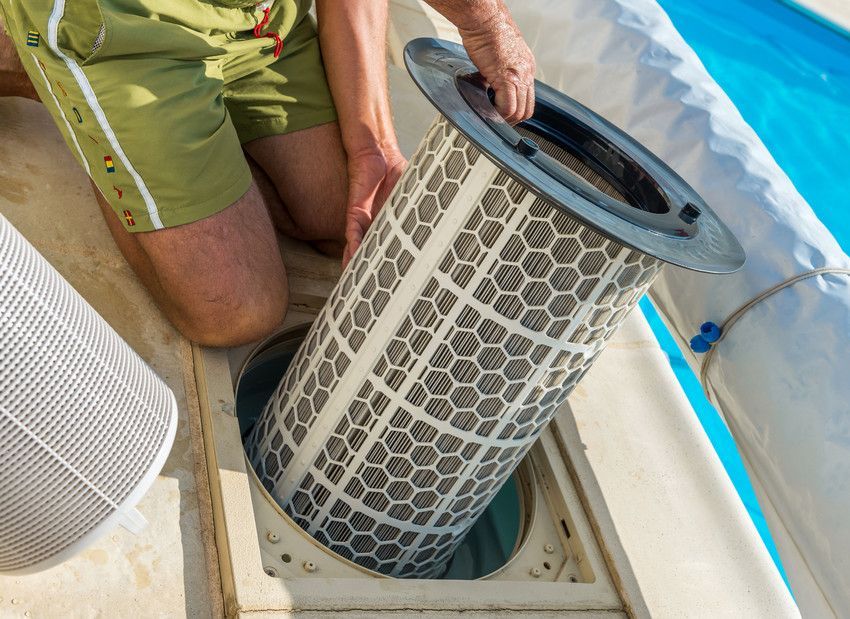
Filters play a critical role in maintaining water clarity. Sand, cartridge, and DE filters each have unique maintenance requirements, but all share the goal of removing debris and contaminants. In-ground pools often rely on larger, more complex filtration systems to handle increased water volume. Proper care includes regular back-washing for sand and DE filters and cleaning cartridges according to the manufacturer's recommendations. Neglecting these steps can cause clogging, reduced efficiency, and uneven water circulation.
It's important to note that each filter type has specific lifespan considerations. Sand filters typically require media replacement every five to seven years, while cartridge filters need periodic cartridge swaps depending on usage and water conditions. DE filters, although highly effective, need careful handling to avoid damaging the system. Following manufacturer guidelines prolongs filter life and keeps water clarity optimal.
Preventing Common Issues
A filter that is clogged or operating inefficiently can compromise water quality and place extra strain on the pump. Regular pressure checks, visual inspections, and timely replacement of filter media are essential for smooth operation. Observing the pressure gauge and noting changes from normal operating levels helps identify issues before they escalate. Clean, functioning filters not only maintain clear water but also protect other pool supplies and equipment from excessive wear.
Aside from regular checks, observing water flow and pressure changes can help anticipate filter problems before they become serious. If the pressure gauge consistently reads higher than normal, it may indicate trapped debris or a need for media replacement. Prompt action reduces strain on the pump and prevents contaminants from circulating back into the pool, keeping the water cleaner and safer for swimmers.
Cleaning Equipment Essentials
Alongside filters, using proper pool cleaning equipment like skimmers, vacuums, and brushes is necessary to remove leaves, dirt, and algae buildup. Regularly cleaning skimmer baskets and vacuum heads ensures that debris doesn't accumulate in the pool or strain the filtration system. Keeping these tools in good condition supports a healthier swimming environment and reduces reliance on chemical treatments, making pool maintenance more efficient overall.
Maintaining cleaning tools also involves proper storage and inspection for wear. Brushes with frayed bristles, cracked vacuum heads, or clogged hoses can reduce cleaning effectiveness and even damage pool surfaces. Regularly rinsing and drying tools after use prevents premature deterioration and ensures that debris is efficiently removed from the pool, supporting both filtration and overall water quality.
3. Chemical Systems and Water Quality
Monitoring Chlorine and Sanitizers
Maintaining balanced water chemistry is critical for both swimmer safety and equipment longevity. Salt systems and chemical dispensers must be monitored regularly to ensure proper sanitizer levels. In-ground pools often have larger chemical demands due to their volume, requiring more frequent testing and adjustment. Proper dosing prevents algae growth, cloudy water, and potential corrosion of metal components.
Regular testing should extend beyond chlorine levels to include stabilizer concentration, particularly for outdoor pools. Maintaining appropriate stabilizer levels prevents chlorine degradation from sunlight, ensuring consistent sanitation. Proper chemical balance reduces algae growth, extends equipment life, and promotes safe swimming conditions for family and guests.
Balancing pH and Alkalinity
Along with sanitizers, pH and alkalinity levels must be kept within optimal ranges. High or low pH can cause skin irritation, damage pool surfaces, and reduce the effectiveness of chlorine. Testing water at least weekly and adjusting chemical levels as needed will prevent long-term issues and maintain a comfortable swimming environment. A consistent routine helps preserve both the pool finish and plumbing infrastructure.
In addition to pH and alkalinity, calcium hardness should be monitored regularly. Water that is too soft can corrode metal fittings and pool surfaces, while excessively hard water can cause scaling on heaters, filters, and plumbing. By adjusting calcium levels as part of a comprehensive water management routine, pool owners preserve both aesthetic and functional aspects of their pool over time.
Maintaining Salt and Heating Systems
For pools equipped with saltwater additions or heaters, regular maintenance is essential in addition to the right pool supplies and equipment. Salt cells should be inspected for scale buildup and properly calibrated, while heaters require monitoring for ignition issues or temperature inconsistencies. Well-maintained systems ensure efficient chemical production and reliable heating, extending the lifespan of these investments. Pool owners who stay proactive with equipment care enjoy longer-lasting, worry-free operation and a consistently inviting swimming environment.
Periodic inspection of heater components, including burners, heat exchangers, and thermostats, is critical for reliable performance. Even minor scale buildup or soot accumulation can decrease efficiency and increase fuel consumption. Routine cleaning and calibration ensure optimal heating output, keeping swimmers comfortable while extending the lifespan of the heater and associated pool systems.
Maintaining a backyard pool requires vigilance, knowledge, and access to reliable equipment and supplies. Keeping pumps, filters, and chemical systems in proper working order ensures that your pool remains safe, clean, and enjoyable for years to come. By scheduling regular inspections, addressing minor issues promptly, and using high-quality pool supplies, homeowners can protect their investment and enjoy a hassle-free swimming experience. Whether upgrading worn components or performing routine maintenance, attentive care makes all the difference in sustaining a beautiful and functional pool. Reach out to Aloha Custom Pools for expert assistance with
pool supplies
and equipment!
< Older Post
Rising Trends in the Swimming Pool Services Industry
March 16, 2026
Do you have questions about swimming pool services? Read this blog to learn more about rising trends in the swimming pool services industry.
Why Florida’s Climate Requires Regular Pool Services
February 18, 2026
Protect your investment with expert pool services from Aloha Custom Pools. Contact us today for reliable maintenance and year-round care.
5 Warning Signs Your Pool Needs Professional Repair
January 16, 2026
Wondering what some signs there are that you need pool repair services? Check out this guide and call today to learn more!
More Posts →